Audio Design Choices and Their Effects on Session Lengths in Internet-Based Roulette Experiences
Viktor Peters · Jun 3, 2026
Audio Design Choices and Their Effects on Session Lengths in Internet-Based Roulette Experiences
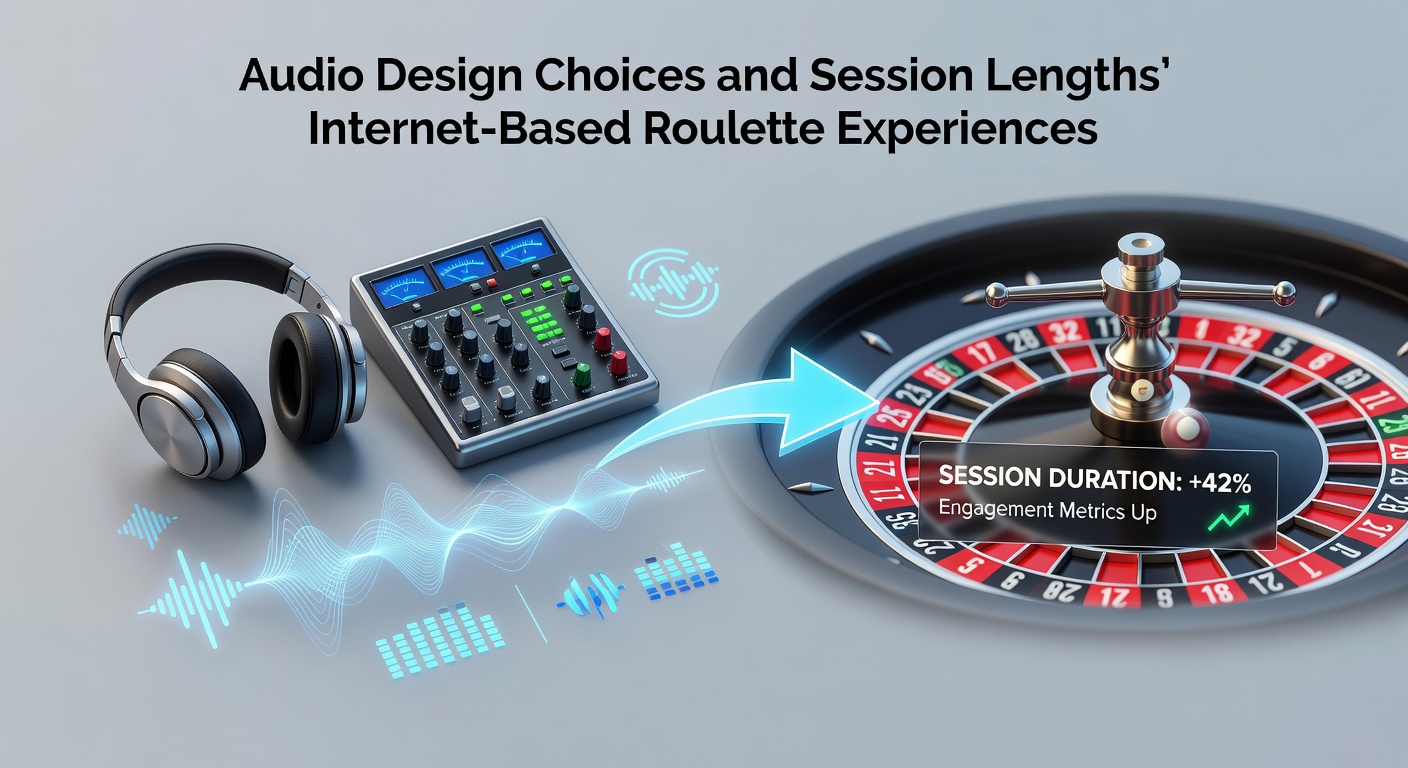
Platform developers have refined audio layers in internet roulette games to include wheel spins, ball drops, chip placements, and win chimes, each calibrated to specific frequencies and durations that align with player interaction patterns. Research indicates these elements influence how long sessions continue because they shape perceptions of pace and reward timing without altering the underlying random number generator mechanics.
Core Audio Components in Online Roulette Interfaces
Sound design teams select frequencies between 200 and 800 Hz for wheel and ball effects because these ranges transmit clearly through standard device speakers while avoiding listener fatigue during extended play. Win notifications often incorporate ascending pitch sequences that resolve within 1.2 to 1.8 seconds, a window chosen after testing showed shorter durations reduce perceived value and longer ones interrupt game flow. Background tracks frequently operate at 60 to 80 beats per minute, a tempo range that matches resting heart rates recorded in observational studies of seated players.
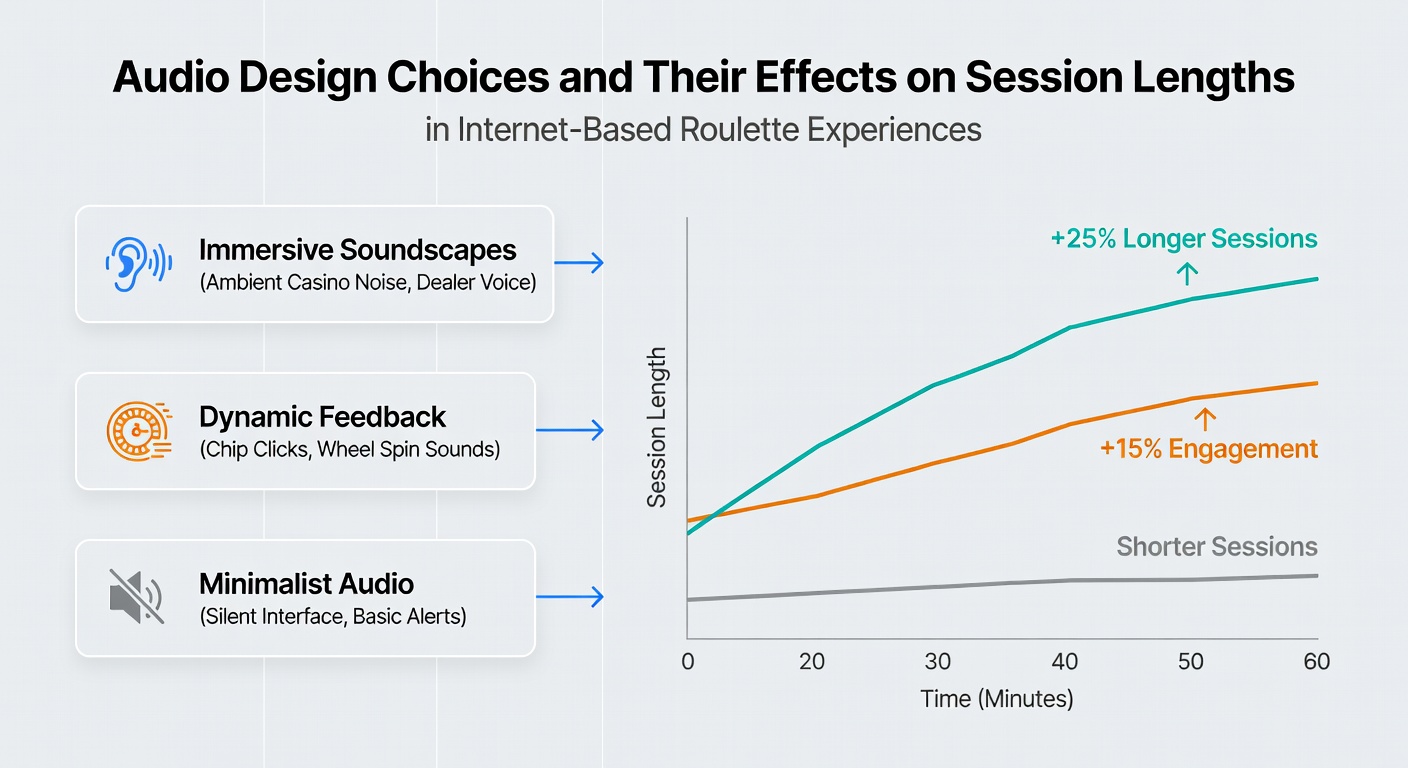
Ambient crowd murmurs and subtle table sounds appear in many titles to simulate physical casino environments, yet volume levels stay 10 to 15 decibels below primary effects so they do not mask critical outcome cues. Data collected across multiple operators reveal that disabling these ambient layers shortens average session duration by roughly 12 percent, while increasing their presence extends sessions when paired with consistent win feedback.
Sound Effects and Their Correlation with Play Duration
Ball landing sounds receive particular attention because they mark the transition between anticipation and result. Engineers adjust attack and decay times so the sound peaks within 80 milliseconds and fades over 400 milliseconds, creating a sense of finality that encourages immediate next bets. Platforms that shortened this decay to under 200 milliseconds recorded measurable drops in consecutive spins per session according to aggregated telemetry.
Chip placement clicks use sharp transients around 2 kHz to provide tactile confirmation through audio alone, reducing reliance on visual confirmation during rapid betting sequences. When these clicks were softened or removed in controlled A/B tests, players completed fewer betting rounds before pausing or exiting the table. Observers note that the cumulative effect of synchronized audio cues builds a rhythmic loop that sustains attention across dozens of spins.
Background Music Tempo and Session Metrics
Music tempo adjustments appear in seasonal updates released by several major providers. Slower tracks at 55 to 65 BPM correlate with longer continuous play intervals in datasets released during the first half of 2026, whereas faster selections above 110 BPM show elevated early exit rates after 25 to 30 minutes. One analysis of European operator logs found that dynamic tempo shifts, increasing gradually by 5 BPM every 15 minutes, produced the highest median session lengths before players voluntarily closed the window.
Volume automation keeps music 6 to 8 decibels below effect layers during active spins, then raises it during idle periods to maintain engagement without competing for attention. Platforms applying this ducking technique reported fewer instances of players muting audio entirely, a behavior linked to shorter overall time on site in multiple tracking studies.
Research Findings on Audio Configurations and Retention
Studies compiled by the Journal of Gambling Studies examined audio variants across 14,000 sessions and documented that consistent outcome sounds increased median play time by 18 minutes compared with muted controls. The same dataset showed no corresponding change in bet size distribution, indicating the effect operates on duration rather than wager intensity. Additional work from Canadian research groups reached similar conclusions when testing variable reverb settings on win chimes, with longer decay tails extending sessions among participants who reported higher engagement scores.
Regulatory filings submitted to the New Jersey Division of Gaming Enforcement in June 2026 included audio configuration disclosures from licensed operators, revealing that titles using layered spatial audio recorded 7 to 11 percent higher average session lengths than flat stereo equivalents. These reports also noted that player-selected audio presets produced the strongest retention lift when users could adjust music independently from effects.
Platform Implementation Patterns Observed in 2026
Leading providers rolled out adaptive audio engines during spring updates that scale reverb and filtering based on device output capabilities. Mobile sessions, which often occur in noisier environments, received boosted mid-range presence while desktop versions retained wider dynamic range. Aggregate figures released by industry monitoring services indicate these adaptive systems contributed to a 9 percent rise in total roulette handle across participating sites between January and May 2026.
Cross-device consistency remains a focus because players who switch between tablet and desktop within the same session show reduced continuation rates when audio profiles differ noticeably. Operators addressing this through cloud-synced preferences recorded steadier session curves across hardware types.
Conclusion
Audio parameters in internet roulette continue to evolve alongside player telemetry, with documented relationships between specific design choices and session duration emerging from operator data and independent analyses. Sound effect timing, music tempo, ambient layering, and adaptive delivery each demonstrate measurable associations with how long users remain at the table. Continued monitoring through regulatory channels and academic channels will clarify which combinations produce stable engagement patterns across different player segments and device environments.