How Atmospheric Conditions Alter Live Betting Dynamics in Outdoor Sports Events
Theo Lehmann · Jul 26, 2026
How Atmospheric Conditions Alter Live Betting Dynamics in Outdoor Sports Events
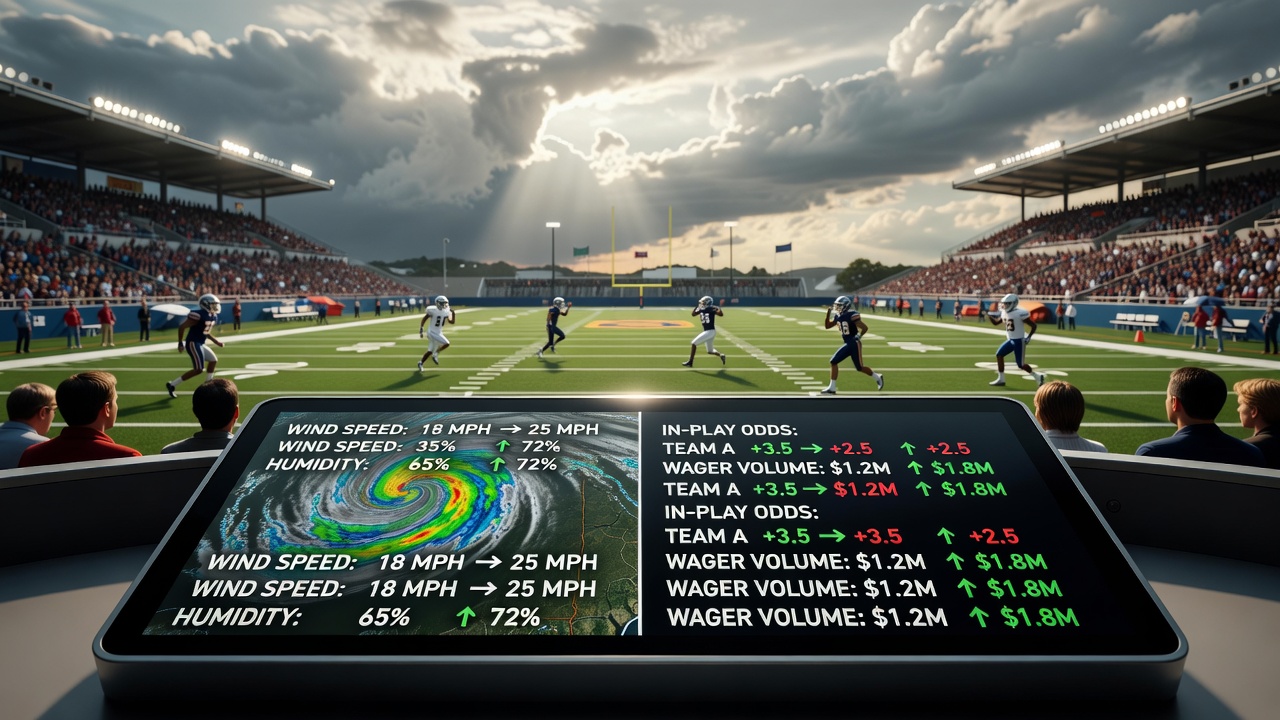
Outdoor sporting events expose athletes to variable atmospheric conditions that directly influence performance metrics, and bookmakers incorporate these variables into their models for in-play wagering. Rain, wind, temperature extremes, and humidity each carry measurable effects on speed, accuracy, and endurance, prompting rapid recalibrations of odds as matches progress. Data from multiple leagues show that lines for totals and player props shift within minutes when weather sensors report sudden changes, especially during summer tournaments that extend into July 2026 schedules.
Core Weather Inputs Used by Betting Platforms
Operators rely on feeds from national meteorological networks to update algorithms that govern live odds. Wind speed measured at ground level alters the expected distance of kicks and serves, while precipitation intensity correlates with higher error rates in ball-handling sports. Temperature thresholds above 30 degrees Celsius have been linked in peer-reviewed sports science papers to measurable drops in sprint output, prompting lines on player goal tallies or point spreads to move accordingly. Humidity readings above 70 percent further compound fatigue factors in events lasting more than ninety minutes, and these combined datasets feed directly into proprietary pricing engines.
Case Examples From Recent Outdoor Competitions
During a July 2026 international soccer fixture played under sudden thunderstorms, total goals lines dropped 0.4 goals within eight minutes after radar updates indicated heavy rainfall across the pitch. Tennis matches at open-air venues demonstrate similar patterns, where crosswinds exceeding 25 kilometers per hour shift over/under lines on total games by as much as 1.5 games in a single set. Baseball games provide another clear illustration, as outfielders record lower batting averages in high-heat, low-humidity environments, and in-play markets adjust run totals within the same inning once stadium sensors transmit updated readings.
Integration of Real-Time Data Streams
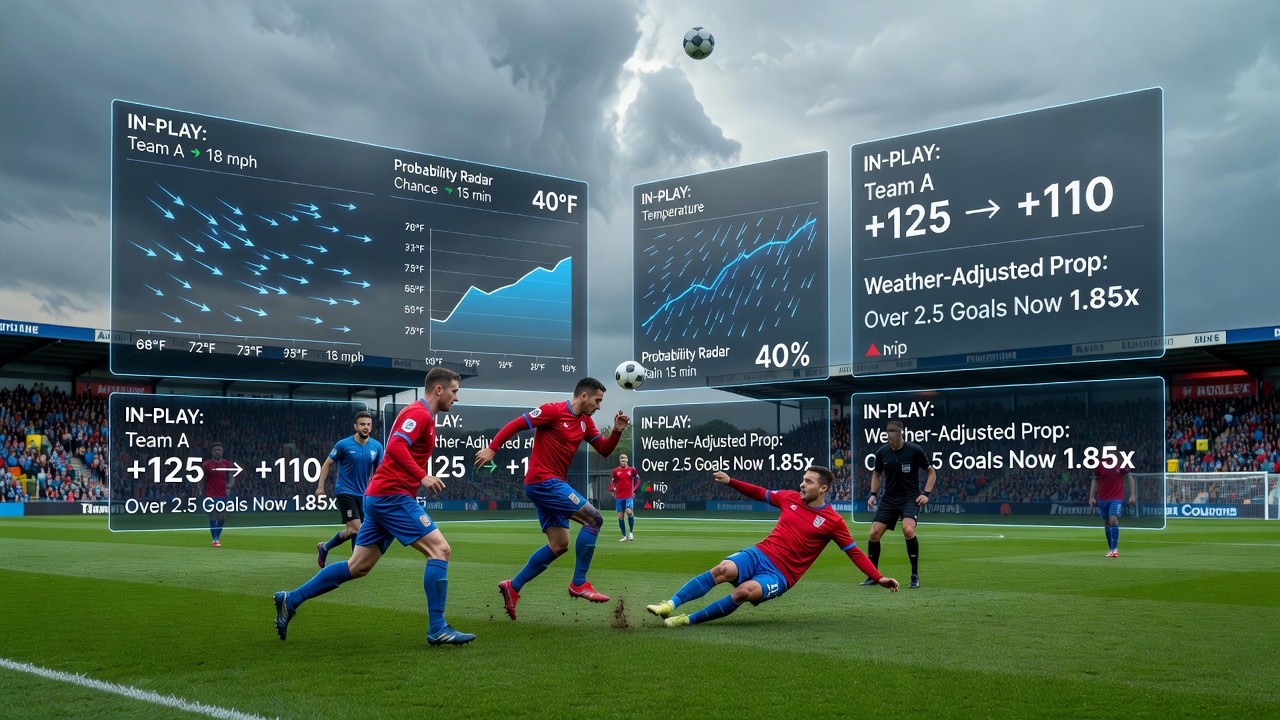
Modern platforms merge satellite imagery, on-site anemometers, and ground temperature probes into unified dashboards that traders monitor continuously. When conditions change faster than the standard fifteen-minute refresh cycle, automated systems trigger manual reviews, and odds are revised before the next play begins. Research conducted by the Australian Bureau of Meteorology in collaboration with sports analytics groups has quantified how even brief wind gusts produce statistically significant deviations in expected scoring rates across multiple codes. These findings allow operators to maintain margins while still reflecting updated probabilities for bettors.
Regional Regulatory Perspectives on Weather-Driven Adjustments
Agencies in North America and Europe require operators to maintain transparent records of all data sources that influence live markets, including meteorological inputs. The National Oceanic and Atmospheric Administration supplies public datasets that several major platforms reference when documenting line movements tied to weather events. In parallel, Canadian provincial regulators have examined correlations between extreme heat advisories and shifts in prop bets on player minutes or distance covered, requiring operators to log these adjustments for compliance audits. Such oversight ensures that weather-related modifications remain grounded in verifiable external measurements rather than discretionary judgment.
Player Performance Correlations Documented in Studies
Academic analyses of endurance events reveal that dew point levels above 18 degrees Celsius increase marathon finishing times by an average of 3.2 percent, and similar patterns appear in team sports where high humidity reduces recovery between bursts of effort. Observers note that these performance decrements translate into altered probabilities for over/under markets on total distance or assists. One longitudinal review covering five outdoor leagues found that wind-adjusted models improved predictive accuracy by 11 percent compared with baseline statistics that ignored atmospheric variables, confirming the practical value of incorporating such data into wagering frameworks.
Conclusion
The systematic use of meteorological information has become standard practice for adjusting in-play wagering during outdoor competitions. Continuous data integration allows markets to reflect current conditions without introducing unnecessary volatility, while regulatory frameworks in multiple jurisdictions maintain accountability for the sources behind those adjustments. As sensor networks expand and modeling techniques refine further, the precision of weather-linked odds movements is expected to increase, supporting more accurate pricing across a growing range of outdoor events.