How Cryptocurrency Integration Affects Transaction Speeds in Virtual Casino Deposits and Withdrawals
Mia Washington · May 17, 2026
How Cryptocurrency Integration Affects Transaction Speeds in Virtual Casino Deposits and Withdrawals
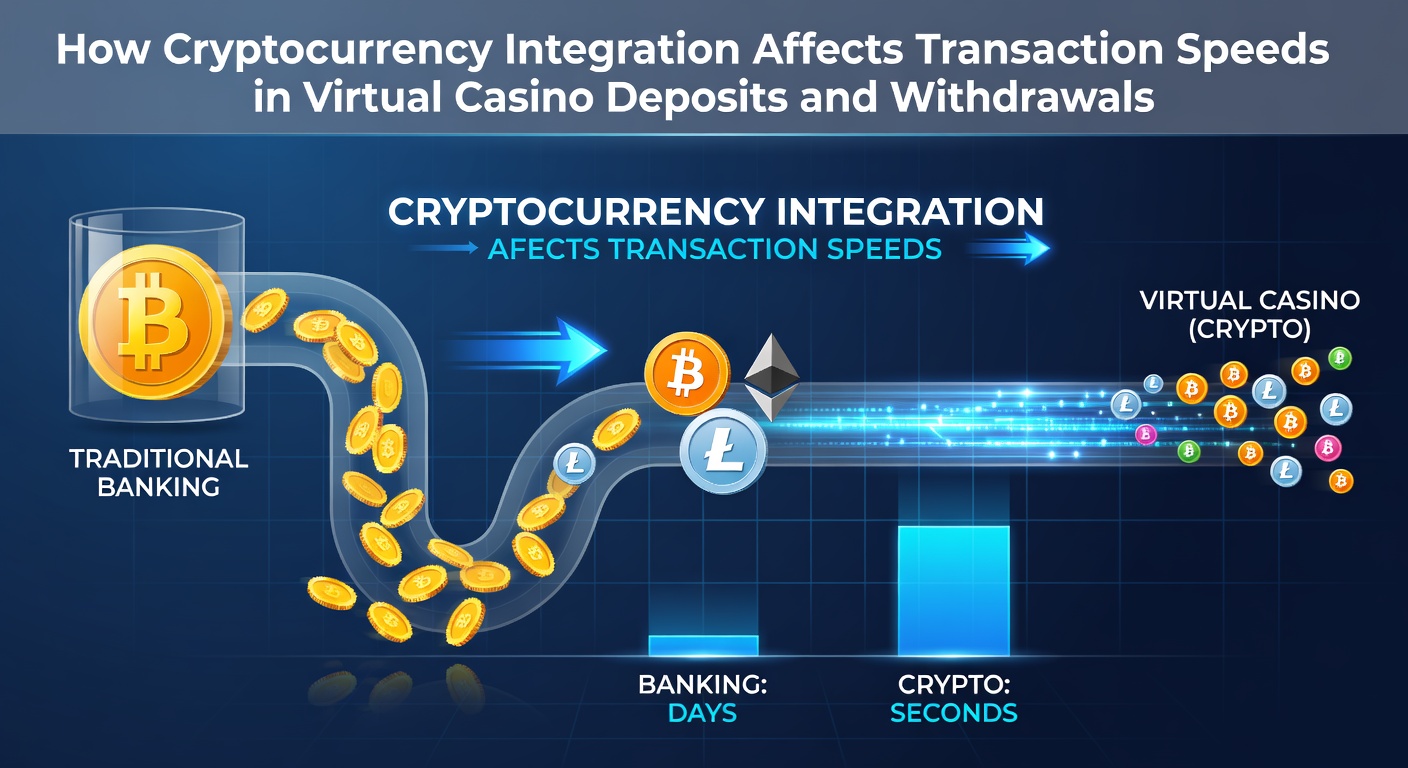
Virtual casinos have adopted cryptocurrency options at a steady pace since the early 2020s, and transaction speeds represent one of the most measurable shifts compared with traditional banking rails. Deposits processed through Bitcoin or Ethereum networks complete once the required number of confirmations occurs on the blockchain, whereas credit card or bank wire transfers often involve multiple intermediary steps that extend processing windows from hours into days. Observers note that platforms integrating stablecoins such as USDT on faster networks frequently report average deposit times measured in minutes rather than the multi-day cycles associated with some regional banking systems.
Comparison of Processing Times Across Payment Types
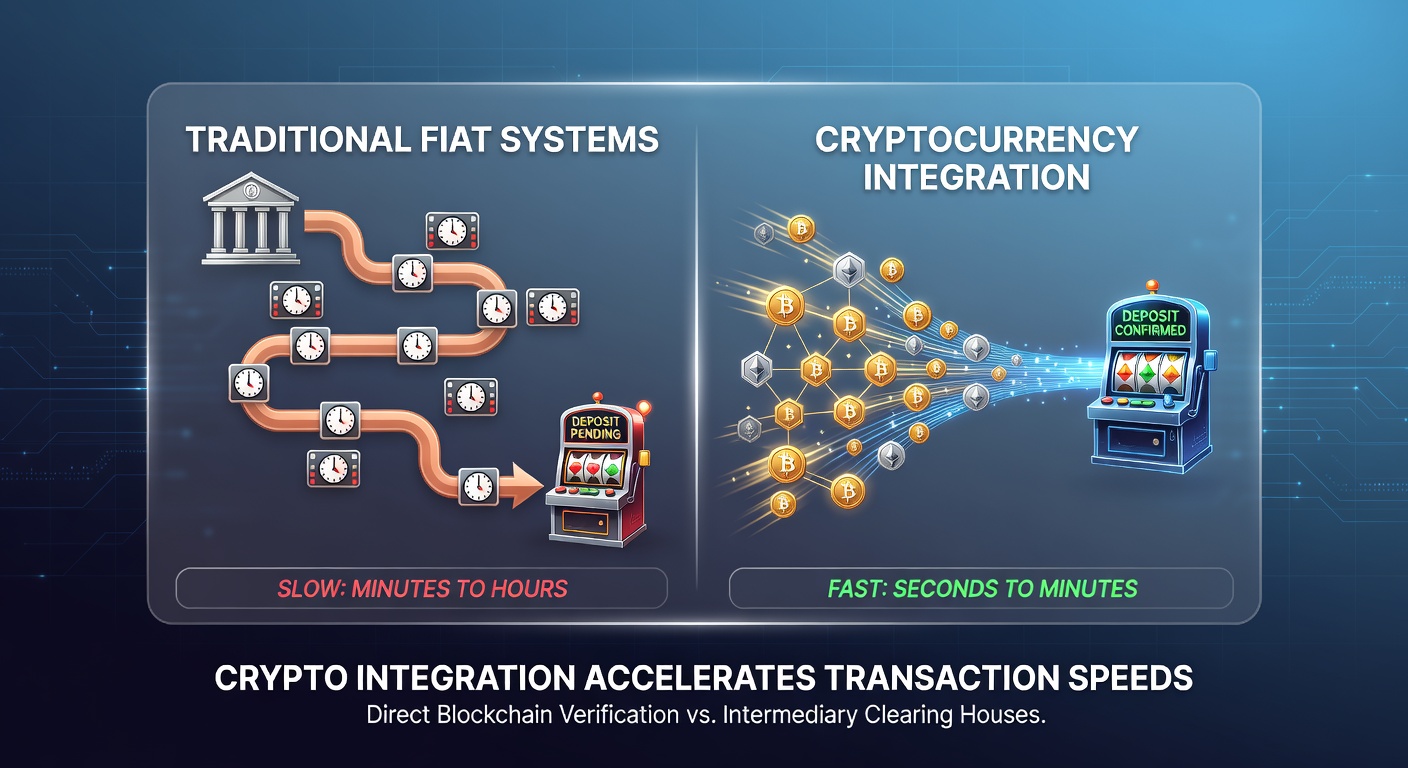
Traditional deposit methods continue to rely on card networks and wire services that batch transactions during business hours, creating built-in delays even when the underlying casino software approves the transfer instantly. In contrast, cryptocurrency deposits bypass these centralized clearing houses because validation occurs through distributed ledger consensus, allowing funds to appear in player accounts as soon as the chosen blockchain records the transaction. Data from industry monitoring services shows that Litecoin deposits average under fifteen minutes for six confirmations, while certain layer-two solutions built on Ethereum can reduce that window to under two minutes during periods of normal network load.
Withdrawals reveal even sharper differences. Bank wires initiated from casino operators still require manual review and compliance checks that stretch across one to five business days in many jurisdictions, yet cryptocurrency withdrawals can finalize within the same time frame as deposits once internal security protocols clear. Casinos using Solana or Polygon report withdrawal completion rates under sixty seconds for verified accounts, although players must still account for occasional network fees that fluctuate with overall blockchain demand.
Technical Factors That Determine Actual Speed
Blockchain selection directly influences outcomes because each network maintains its own block time and confirmation requirements. Bitcoin blocks arrive roughly every ten minutes, requiring multiple confirmations for security, while newer chains such as Solana target sub-second finality under optimal conditions. Congestion events on any given network can extend these baselines, and operators typically adjust minimum confirmation thresholds accordingly to manage risk. Research published in 2025 by academic groups studying distributed ledger applications in gaming documented that platforms maintaining multi-chain support achieved the most consistent transaction velocity across varying market conditions.
Wallet infrastructure and internal casino processing queues also play measurable roles. Automated systems that monitor mempools in real time can release funds immediately upon sufficient confirmations, whereas manual review layers still present at some sites add variable delays regardless of the underlying blockchain speed. As of May 2026, several major platforms have implemented automated compliance scoring tied directly to on-chain analytics, further trimming the gap between blockchain finality and player balance updates.
Regional Adoption Patterns and Regulatory Context
Jurisdictions with clearer digital asset frameworks tend to see faster integration of cryptocurrency rails at licensed operators. Canadian provincial regulators have permitted crypto payment testing at select sites since 2024, resulting in documented reductions in average withdrawal processing windows compared with legacy methods. Similar pilots in parts of Australia and select European markets show parallel trends where operators that added stablecoin options recorded measurable improvements in settlement speed without increasing chargeback exposure. Figures compiled by the Canadian Gaming Association indicate that participating sites processed over 40 percent of withdrawals via cryptocurrency channels by early 2026.
Network upgrades continue to influence these outcomes. The continued rollout of Ethereum scaling solutions and the maturation of independent high-throughput chains have lowered both latency and cost for casino operators that maintain multiple integration points. Observers tracking on-chain metrics note that average transaction fees on these optimized networks remained below the equivalent cost of international wire services during the first quarter of 2026.
Conclusion
Cryptocurrency integration has introduced verifiable reductions in deposit and withdrawal durations at virtual casinos that maintain compatible infrastructure, with the magnitude of improvement tied to specific blockchain characteristics and operational automation levels. Traditional payment rails retain relevance for certain player segments, yet the data demonstrates consistent speed advantages for properly configured crypto pathways. Continued network development and regulatory clarity in additional markets will likely shape how these speed differentials evolve through the remainder of 2026 and beyond.