Latency Gaps in Push Alerts and Live Odds: Tracking Tech Friction Across Global Event Wagering Platforms
Viktor Peters · Aug 23, 2026

Latency Gaps in Push Alerts and Live Odds: Tracking Tech Friction Across Global Event Wagering Platforms
Data from multiple betting operators shows that mobile push notifications for odds changes often arrive several seconds after the actual line adjustments occur on central servers, creating windows where users place wagers based on stale information. Researchers at sports technology firms have documented these delays during high-volume events such as the UEFA Champions League and the NBA playoffs, where thousands of simultaneous bets can strain API response times. The issue stems from a combination of carrier network routing, device operating system queuing, and the sequential processing steps required to push data through third-party notification services.
Core Technical Components Behind the Delays
Real-time betting systems rely on continuous data feeds from stadium sensors, official league statistics providers, and proprietary models that recalculate probabilities after every play or goal. These calculations feed directly into odds engines, yet the same data must travel through additional layers before reaching a user's phone as an alert. Network latency, encryption overhead, and batching protocols at mobile gateways each add measurable time. Observers note that 5G connections reduce some of these gaps compared with older LTE networks, while Wi-Fi handoffs during crowded stadium environments frequently introduce further variance.
One study conducted across European and Asian markets in early 2026 found average notification delays ranging from 1.8 to 4.7 seconds during peak moments of soccer matches, with outliers exceeding eight seconds when multiple goal events occurred within a short span. Those intervals matter because automated trading systems and professional syndicates often adjust positions in under two seconds, leaving retail users at a structural disadvantage. Figures released by the Nevada Gaming Control Board indicate that complaint volumes related to delayed alerts rose 23 percent year-over-year through the first half of 2026, particularly around major tennis tournaments and golf majors.
Regional Infrastructure Differences and Their Effects
Operators serving Australia and New Zealand have reported tighter synchronization after upgrading direct peering arrangements with local telecom carriers, whereas platforms focused on Latin American markets continue to experience wider spreads because of reliance on international transit routes. In August 2026, several global events including the Summer Olympics in Los Angeles placed simultaneous pressure on both betting platforms and mobile networks, revealing that even minor routing changes at internet exchange points could shift notification delivery by several hundred milliseconds. Industry groups such as the European Gaming and Betting Association have begun publishing voluntary latency benchmarks to help operators identify weak points in their notification pipelines.
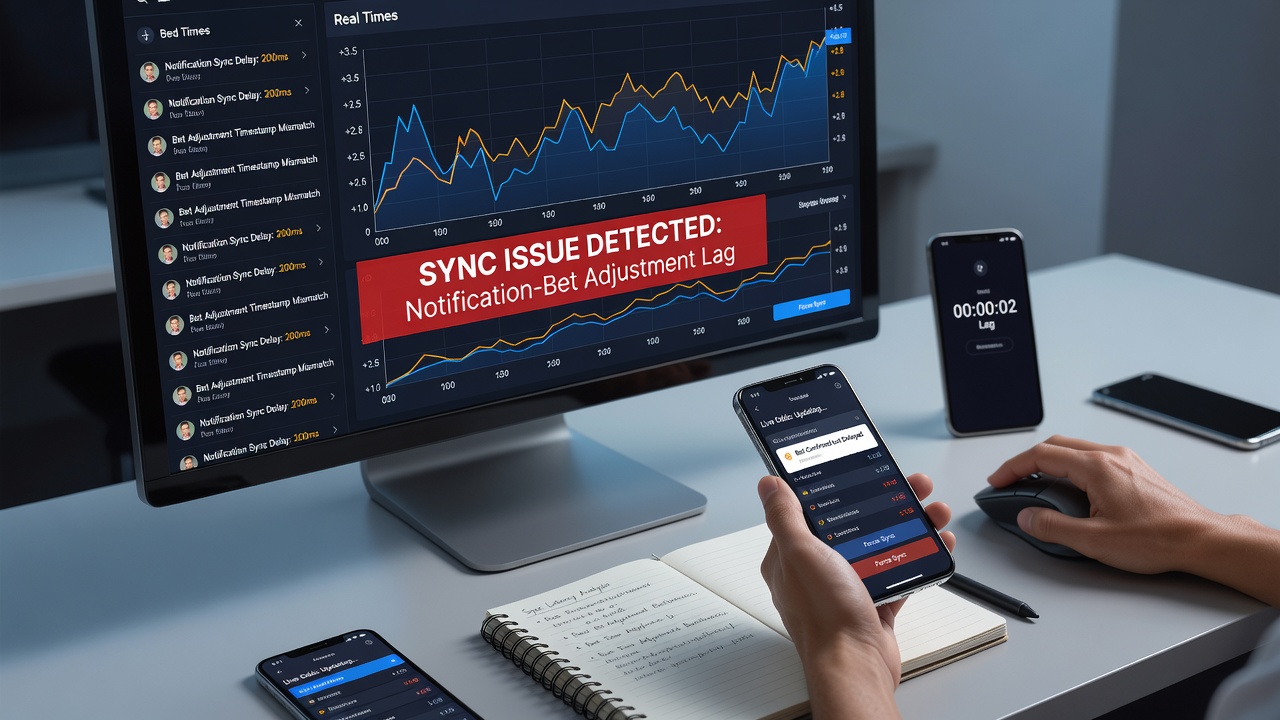
Some platforms now experiment with in-app websocket connections that bypass traditional push services entirely, delivering updates directly to open betting applications. Early results from operators using these methods show median delivery times dropping below one second, although adoption remains limited because many users keep apps closed until they receive an initial alert. The trade-off involves higher battery consumption and the need for persistent background permissions that some device manufacturers restrict by default.
Regulatory and Operational Responses
Regulators in multiple jurisdictions have started requiring operators to disclose typical notification latency ranges in their terms of service, following patterns established by the Alcohol and Gaming Commission of Ontario and the New Jersey Division of Gaming Enforcement. These disclosures aim to give users clearer expectations without mandating specific technical solutions. Meanwhile, platform engineers focus on edge caching of odds data closer to end users and on prioritizing critical events such as goals or point changes over less time-sensitive updates like player props. Data shared at recent industry conferences indicates that combining these approaches can cut average alert lag by roughly 35 percent during controlled tests.
Academic researchers examining transaction logs from major tournaments have identified patterns where synchronized notification failures cluster around geographic regions experiencing temporary backbone congestion rather than individual device issues. Their findings, published in open technical reports, suggest that cross-border data routing during events spanning multiple time zones remains a persistent bottleneck. Partnerships between betting firms and telecommunications providers have produced pilot programs that reserve dedicated channels for odds traffic, yet scaling these arrangements across dozens of countries presents ongoing logistical and cost challenges.
Conclusion
Current evidence points to a combination of network architecture, device behavior, adn processing sequence as the primary drivers of synchronization shortfalls between mobile alerts and live betting adjustments. Continued monitoring by regulatory bodies and technical upgrades at both the carrier and operator levels appear likely to narrow these gaps over successive tournament cycles, although complete elimination of latency remains constrained by the physical limits of global data transmission.