Tracing Withdrawal Verification Protocols and Their Effects on Player Behavior in Multi-State Sports Wagering Networks
Quinn Günther · Jun 5, 2026
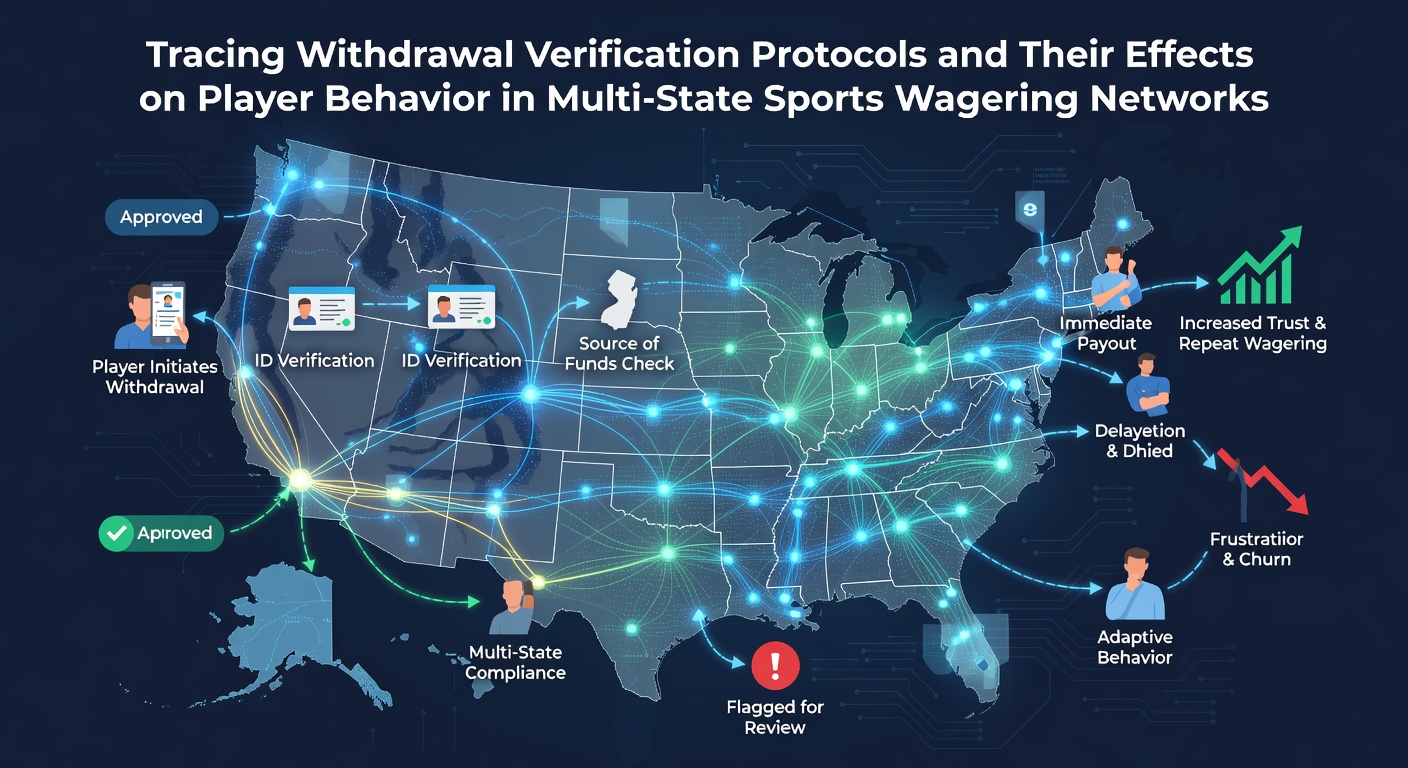
Tracing Withdrawal Verification Protocols and Their Effects on Player Behavior in Multi-State Sports Wagering Networks
Multi-state sports wagering networks have expanded rapidly since the 2018 Supreme Court decision, and withdrawal verification protocols now form a central component of compliance frameworks that operators must maintain across jurisdictions. These protocols combine identity confirmation steps, transaction monitoring systems, and regulatory reporting requirements that differ from one state to another, creating layered processes that players encounter when requesting funds.
Core Components of Verification Systems
Verification typically begins with initial account setup where operators collect government-issued identification, proof of address, and banking details, then continues with ongoing checks triggered by withdrawal requests above certain thresholds. In practice, systems flag unusual patterns such as rapid deposit-withdrawal cycles or large transfers that exceed average account activity, prompting additional document submissions or manual reviews by compliance teams. States including New Jersey, Pennsylvania, and Michigan maintain distinct reporting standards that require operators to reconcile player data against multiple databases before releasing funds, which extends processing timelines from hours in simpler cases to several business days when discrepancies arise.
Interstate Data Sharing and Compliance Layers
Networks operating across state lines rely on shared player databases and geolocation services to ensure that wagers and withdrawals comply with each jurisdiction's rules, yet this connectivity introduces friction points during verification. When a player registered in one state attempts a withdrawal while located in another, the system often pauses the request until location history and account linkages receive confirmation from all involved regulatory bodies. June 2026 saw several operators implement updated API connections between state systems to streamline these checks, though early reports indicate that integration delays still affect a measurable portion of cross-border transactions.
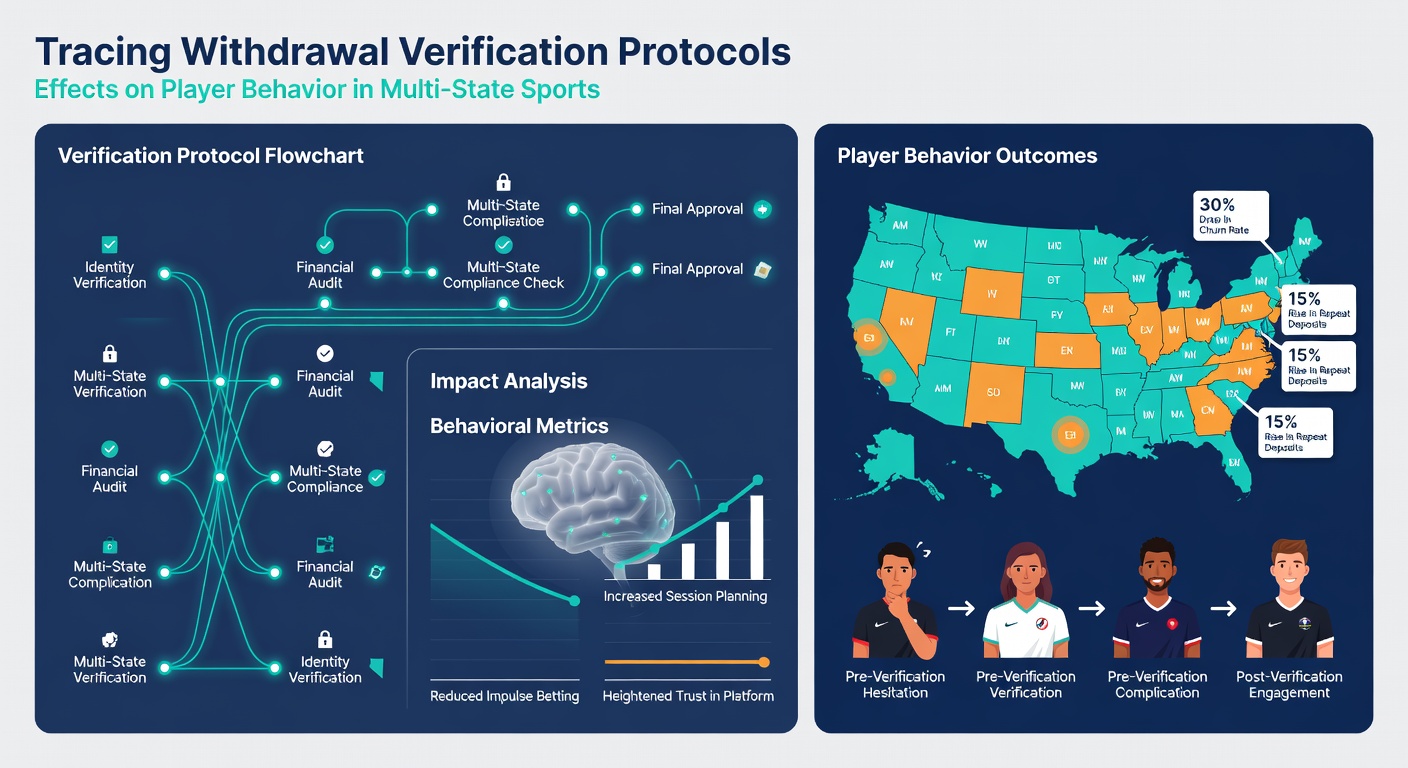
Measured Shifts in Player Activity Patterns
Research conducted by university-affiliated gambling studies programs shows that extended verification periods correlate with changes in how bettors manage their accounts and session timing. Players facing repeated delays have demonstrated higher rates of partial withdrawals, splitting requests into smaller amounts that bypass certain review thresholds, and increased account abandonment when verification requests require documents that players consider intrusive. Data compiled by the American Gaming Association indicates that withdrawal processing speed ranks among the top three factors influencing platform retention in markets where multiple licensed apps compete directly.
Observers tracking multi-state user flows note that bettors often maintain secondary accounts on platforms perceived to offer faster verification turnaround, moving balances between networks rather than leaving the market entirely. This behavior appears most pronounced among high-volume users who treat verification speed as a operational cost, while recreational participants show greater tolerance for occasional delays provided the underlying security measures remain transparent. Studies from Canadian research institutes examining similar cross-provincial systems found parallel patterns, suggesting that verification friction produces consistent behavioral responses regardless of specific regulatory environment.
Technological Adjustments and Player Response Data
Operators have introduced automated verification tools that use biometric matching and real-time banking API connections to reduce manual review volume, yet adoption rates vary by state due to differing privacy statutes. Where these tools function smoothly, withdrawal completion rates have increased and player complaints about processing times have declined according to aggregated support ticket analysis. In contrast, platforms still reliant on email-based document collection continue to record elevated rates of incomplete verification sequences that leave funds frozen and accounts inactive for extended periods.
Behavioral tracking data collected through anonymized session logs reveals that players who encounter verification blocks mid-session often reduce subsequent deposit sizes or shift to lower-stakes betting until the issue resolves. This cautious approach persists even after funds clear, indicating a lasting effect on risk tolerance that extends beyond the immediate transaction. Industry reports compiled in early 2026 documented these adjustments across several major networks, with measurable differences between states that mandate same-day verification options and those that permit longer review windows.
Conclusion
Withdrawal verification protocols in multi-state sports wagering networks serve regulatory compliance goals while simultaneously shaping how participants interact with betting platforms over time. The interplay between state-specific requirements, technological infrastructure, and observed player responses continues to evolve as networks expand and new verification methods gain regulatory approval. Tracking these dynamics provides operators and regulators with concrete metrics for assessing both security effectiveness and market participation patterns across jurisdictions.